
Exploring the Torzon Market
This guide provides insights into the Torzon Market for cybersecurity experts and threat analysts.
- Date
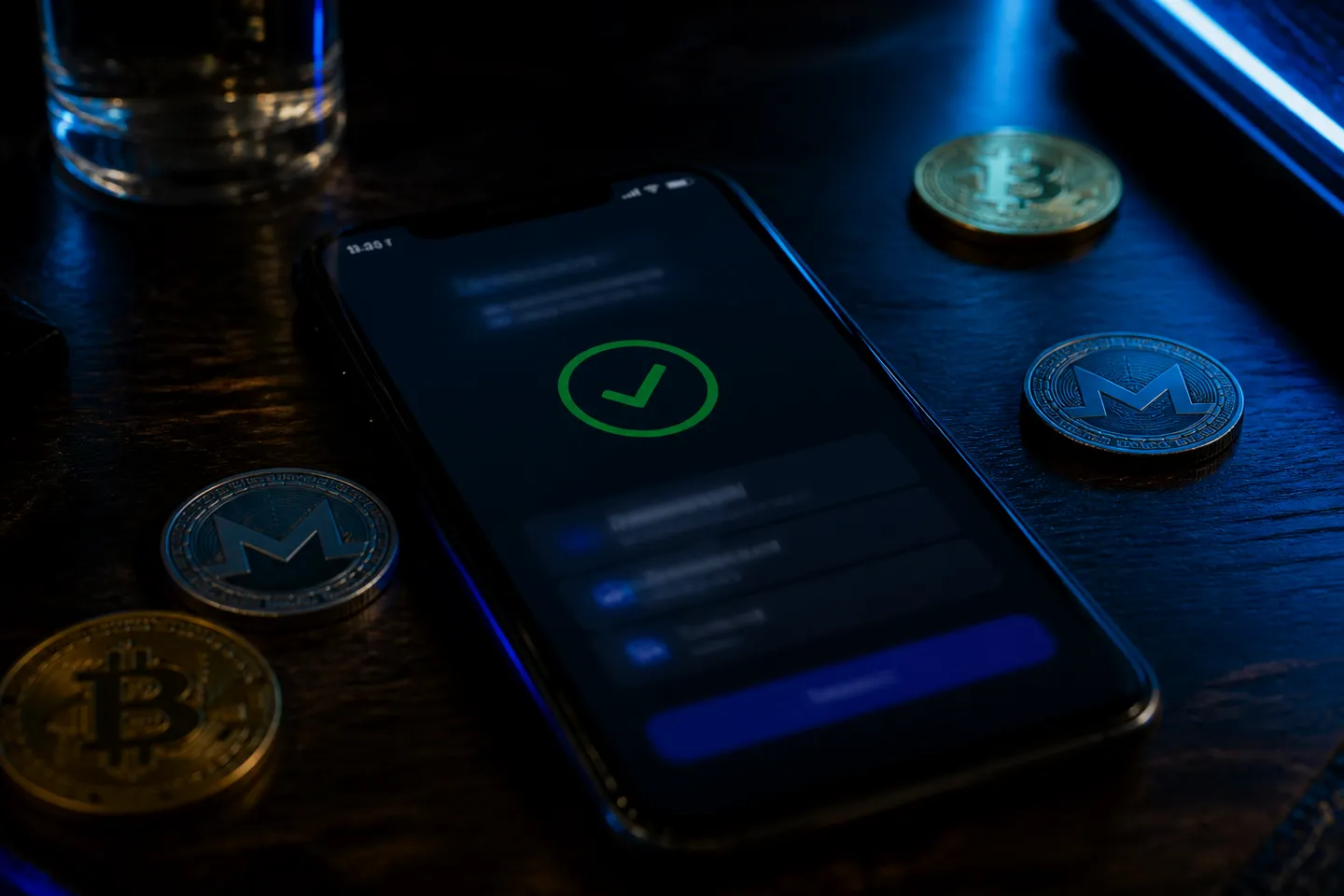
Torzon Market is a darknet marketplace that launched in September 2022 and rose to prominence in mid-2025 following the collapse of Archetyp and Abacus markets1. As of September 2026, it operates over 11,000 active listings with more than 100,000 registered accounts and maintains 16 mirror links, the highest number among active darknet markets12.
What is Torzon Market?
Torzon Market is a Tor-based darknet marketplace that began operations in September 2022. Initially, it functioned as a mid-tier platform for its first two years. Its significance increased around mid-2025, particularly after the dismantling of prominent competitors like Archetyp and Abacus markets1.
As of September 2026, Torzon Market features over 11,000 active listings and has more than 100,000 registered accounts. The vendor pool exceeds 1,000 profiles, indicating a robust trading environment2. The marketplace is notable for maintaining 16 mirror links, which is the highest among all active darknet markets as of 20261.
Torzon Market primarily offers several categories of illegal goods and services. These include:
- Drugs
- Fraud tools
- Digital goods
- Hacking services
These categories reflect the typical offerings of darknet marketplaces. The presence of diverse product types allows users to find a variety of illicit items. This is particularly relevant for those analyzing market trends and user behavior within the dark web.
The marketplace operates using an escrow system and supports cryptocurrencies like Monero and Bitcoin. The choice of these payment methods affects transaction privacy and user security, especially considering the increasing preference for Monero among darknet users3.
Understanding the dynamics of Torzon Market is essential for cybersecurity professionals and threat intelligence analysts. It provides insights into the evolving landscape of darknet marketplaces and the ongoing challenges posed by illegal online activities.
How Torzon Market Operates
Torzon Market utilizes the Tor network for anonymity, employing onion routing to protect user identities. This technology encrypts user data multiple times, routing it through various servers before reaching its destination. It ensures that both buyers and sellers can interact without revealing their IP addresses. This is effective as long as users maintain good security practices, such as using a VPN alongside Tor.
The marketplace implements an escrow system to enhance transaction security. When a buyer makes a purchase, the payment is held in escrow until the buyer confirms receipt of the goods or services. This reduces the risk of fraud for both parties. In addition, Torzon Market employs multisig wallet systems, requiring multiple signatures to authorize transactions. This adds an extra layer of security, ensuring that neither party can unilaterally access the funds without mutual consent.
Torzon Market accepts both Bitcoin and Monero as payment methods. While Bitcoin remains widely used, Monero is gaining popularity due to its enhanced privacy features. In fact, as of 2025, 48% of newly launched darknet marketplaces accepted only Monero4. This trend reflects a growing awareness among users about the limitations of Bitcoin's transparency. Monero offers greater anonymity, which is appealing in the context of increasing law enforcement scrutiny on Bitcoin transactions3.
The marketplace also has a vendor bond system in place. Vendors must deposit a bond to gain access to the platform, which serves as a deterrent against exit scams. If a vendor fails to deliver on their promises, they risk losing their bond. Reputation mechanisms further enhance trust within the marketplace. Users can leave feedback on their transactions, allowing others to evaluate vendor reliability based on previous experiences.
These operational features make Torzon Market a complex environment that balances anonymity, security, and trust. Understanding these mechanisms is crucial for cybersecurity professionals monitoring illicit online activities.
Product Categories and Marketplace Structure
Torzon Market features a diverse range of product categories that cater to illicit needs. The main categories include drugs, fraud tools, digital goods, and hacking services. Each category serves a specific user base, reflecting the typical offerings found in darknet marketplaces.
Drugs represent a significant portion of the market. Users can find various substances, including narcotics and controlled medications. Fraud tools encompass items like stolen credit card information and counterfeit documents. Digital goods include software, e-books, and other downloadable content. Hacking services offer access to exploits, malware, and other tools designed for cybercriminal activities.
The marketplace interface is designed for user-friendliness. It provides intuitive navigation, allowing users to browse categories easily. Search functionalities enable users to find specific items quickly. Listings typically include product descriptions, prices, and vendor ratings. This transparency helps buyers make informed decisions.
Vendor verification processes are in place to enhance trust within the platform. New vendors are often required to undergo a verification procedure before they can list products. This may include submitting identification or proving their reliability through previous transactions. The vendor bond system also serves as a deterrent against exit scams. Vendors must deposit a bond, which they risk losing if they fail to fulfill their obligations.
As of September 2026, Torzon Market boasts over 11,000 active listings, indicating a vibrant trading environment. The platform has more than 100,000 registered accounts, with a vendor pool exceeding 1,000 profiles2. This structure fosters competition among vendors and allows users to choose from a variety of options.
The marketplace also utilizes an escrow system, ensuring that payments are securely held until buyers confirm receipt of goods or services. This feature minimizes the risk of fraud, benefiting both buyers and sellers. Overall, Torzon Market combines a structured marketplace with essential security measures, making it a noteworthy player in the darknet ecosystem.
Security Features and Anonymity Measures
Torzon Market employs various security features to enhance user anonymity and protect communications. One significant measure is the requirement for PGP encryption in all communications between users. This encryption ensures that messages remain confidential and are only accessible to intended recipients. Users are encouraged to generate their own PGP keys for secure exchanges, which adds an essential layer of privacy.
The marketplace operates 16 mirror sites, the highest among active darknet markets as of 2026. These mirror sites help maintain uptime and accessibility, especially when the primary site faces downtime or is targeted by law enforcement. Users benefit from this redundancy, as they can access the marketplace through different links, ensuring that they can continue transactions without interruption1.
To combat phishing attempts, Torzon Market employs several anti-phishing measures. These include educating users about potential scams and the importance of verifying links before accessing the site. Official verification methods for vendors are also in place, which require them to undergo a vetting process. This process helps establish trust and reduces the risk of fraud within the marketplace.
Operational security practices play a vital role in Torzon Market's framework. Users are advised to take precautions such as using virtual private networks (VPNs) alongside the Tor network. This combination enhances anonymity by masking IP addresses and encrypting internet traffic. Additionally, the marketplace implements an escrow system to safeguard transactions. Payments are held until buyers confirm receipt of goods, mitigating the risk of scams.
These security features and anonymity measures collectively create a safer environment for users engaging in illicit transactions. Understanding these mechanisms is crucial for cybersecurity professionals and threat intelligence analysts monitoring the evolving landscape of darknet marketplaces.
Torzon's Position in the 2025-2026 Darknet Landscape
The dismantling of Archetyp Market in June 2025 significantly impacted the darknet marketplace landscape. Archetyp had operated for over five years, serving more than 600,000 users and processing transactions exceeding EUR 250 million56. Following its shutdown, many vendors migrated to alternative platforms, leading to a substantial shift in user activity.
Torzon Market emerged as one of the fastest-growing marketplaces in the aftermath. By September 2026, it had over 11,000 active listings and more than 100,000 registered accounts2. This rapid growth can be attributed to the dual collapse of Archetyp and Abacus, which had previously dominated the market. Abacus itself went dark in July 2025, reportedly taking with it around $12 million in user funds in an exit scam1. The combination of these events triggered the largest vendor migration since the Hydra seizure in 20221.
In comparison to other active markets, such as Abacus and STYX, Torzon has positioned itself effectively. Abacus was the largest Western darknet marketplace before its closure, while STYX continues to operate but has not seen the same level of user growth as Torzon1. Torzon's strategy includes maintaining a significant number of mirror links—16, which is the highest among active markets1. This strategy enhances its accessibility and resilience against law enforcement actions.
The marketplace's focus on privacy, particularly through the acceptance of Monero (XMR), aligns with the shifting preferences of users. In 2025, nearly 48% of newly launched darknet markets began supporting Monero exclusively, reflecting a broader trend toward privacy-centric cryptocurrencies4. This trend is likely a response to increased scrutiny on Bitcoin transactions, which are inherently more transparent3.
Torzon's growth trajectory indicates its potential to become a leading player in the darknet ecosystem as it adapts to the evolving landscape post-2025. Understanding these dynamics is crucial for cybersecurity professionals and threat intelligence analysts monitoring illicit online activities.
Typical Lifecycle: Exit Scams vs Law Enforcement Takedowns
Darknet markets typically face two primary endpoints: exit scams and law enforcement takedowns. Exit scams occur when market operators suddenly disappear, taking user funds with them. Law enforcement takedowns involve coordinated actions to dismantle illegal operations and arrest individuals involved.
Historical examples illustrate these endpoints. Silk Road, one of the first prominent darknet markets, was seized by the FBI in October 2013, leading to founder Ross Ulbricht's arrest. In contrast, Abacus Market, which operated until July 2025, disappeared with an estimated $12 million in user funds, likely an exit scam1. Both scenarios disrupt the market but through different mechanisms.
Warning signs of exit scams include sudden changes in market policies, reduced communication from operators, or a spike in withdrawal requests. Users may notice that vendors are unable to fulfill orders or that the site's functionality diminishes. These indicators suggest a potential exit scam, prompting users to withdraw funds promptly.
Law enforcement employs various tactics during takedowns. Operations like DEEP Sentinel in June 2025 resulted in the dismantling of Archetyp Market, arresting its administrator and seizing assets worth EUR 7.8 million56. Takedowns often involve international collaboration, with hundreds of officers deployed across multiple countries. These operations target both market administrators and vendors, resulting in significant arrests and asset seizures7.
The darknet market landscape resembles a game of whack-a-mole. When one market is taken down or executes an exit scam, others often rise to fill the void. The collapse of Archetyp and Abacus triggered a massive vendor migration, with many moving to Torzon Market1. This pattern indicates that while markets may disappear, the demand for illicit goods persists, leading to the continuous emergence of new platforms.
Threat Intelligence and Organizational Risk
Security teams actively monitor darknet marketplaces like Torzon for leaked credentials and compromised data. These platforms can serve as a goldmine for threat actors seeking sensitive information. Common threats emerging from such markets include account takeovers, fraud tools, and exploits.
Account takeovers often occur when attackers purchase stolen credentials from vendors on these platforms. In 2025, it was reported that nearly 48% of newly launched darknet marketplaces exclusively supported Monero, a cryptocurrency favored for its privacy features4. This trend complicates tracking stolen funds and increases the risk of financial fraud in organizations.
Fraud tools available on Torzon can include phishing kits, malware, and services that facilitate identity theft. These tools can be used to execute large-scale attacks against corporations, leading to significant financial and reputational damage. For example, the dismantling of Archetyp Market in June 2025 highlighted the risks associated with these platforms, as it had served over 600,000 users and processed transactions exceeding EUR 250 million56.
To mitigate risks without accessing the platform directly, corporate security teams should implement several actionable steps:
- Monitor Darknet Activity: Use threat intelligence services to track mentions of your organization on darknet forums and marketplaces.
- Credential Monitoring: Regularly check for compromised employee credentials using tools that aggregate data from multiple sources.
- User Education: Train employees on the dangers of using weak passwords and the importance of two-factor authentication.
- Incident Response Plan: Develop a plan to respond to potential account takeovers or fraud incidents quickly.
These strategies can help organizations stay ahead of threats emerging from darknet marketplaces. Understanding the dynamics of platforms like Torzon is essential for cybersecurity professionals seeking to protect their organizations from evolving risks.
Access Methods and Verification Challenges
Onion URLs are not indexed by search engines. This design choice enhances privacy and security on the Tor network. Users must rely on direct links shared within trusted communities or forums. The Tor Browser is essential for accessing these onion sites. It routes internet traffic through multiple servers, anonymizing user identity and location.
Phishing risks are prevalent within darknet markets. Users may encounter fake mirror sites designed to steal credentials or funds. These sites often mimic legitimate marketplaces, making verification crucial. Users should always confirm the URL they are visiting. Checking for official announcements on trusted forums can help avoid scams.
Legitimate threat intelligence sources typically avoid direct links to darknet markets. This practice reduces the risk of inadvertently directing users to malicious sites. Analysts often emphasize the importance of using verified and secure methods to access these platforms.
Verification methods employed by users include seeking information from forums and trusted sources. Engaging with established communities can provide insights into current marketplace conditions. Users should also look for vendor reviews and transaction histories to assess credibility. This information is vital for making informed decisions in a landscape rife with scams and fraud.
Common Mistakes and Misconceptions
Assuming Torzon is "Safer" Because It Survived 2025
Many users believe Torzon's continued operation through 2025 indicates superior security or lower law enforcement risk. This perception stems from the high-profile takedowns of Archetyp and Abacus during that period51. In reality, survival often reflects timing and investigative priorities rather than invulnerability. Archetyp operated for over five years before its June 2025 dismantling, processing EUR 250 million in transactions6. Longevity does not guarantee safety—Operation DEEP Sentinel deployed around 300 officers across five countries to execute the Archetyp takedown6. Security teams should treat all active markets as equally subject to future enforcement actions regardless of current operational status.
Treating All Mirror Links as Equally Legitimate
Torzon maintains 16 mirror links, the highest count among active darknet markets as of 20261. Users frequently assume all mirrors sharing similar URLs are official. Phishing actors exploit this trust by creating fake mirrors that harvest credentials and cryptocurrency. A single character difference in an onion URL can redirect users to a fraudulent site designed to steal funds. Always verify mirror links through multiple independent trusted sources before accessing. Cross-reference URLs on established forums and check for consistent vendor listings across mirrors to confirm legitimacy.
Overestimating Monero's Practical Anonymity for Large Transactions
The shift toward Monero-only markets—48% of new platforms in 2025 supported exclusively XMR4—creates a false sense of total anonymity. Users believe Monero transactions are untraceable under all circumstances. However, Monero exhibits roughly 2.5 times greater price volatility than Bitcoin over recent 30-day periods, reflecting thinner liquidity and fragmented market structure4. Large transactions face conversion challenges and exchange scrutiny that can compromise anonymity. For corporate threat intelligence, this volatility also complicates financial tracking but does not render Monero movements invisible to sophisticated blockchain analysis.
Conflating Vendor Migration with Market Trustworthiness
The dual collapse of Archetyp and Abacus triggered the largest vendor migration since the 2022 Hydra seizure1. Analysts sometimes interpret rapid vendor influx as validation of Torzon's reliability. Migration primarily reflects necessity rather than due diligence—vendors need immediate alternatives when platforms disappear. Abacus's exit scam took an estimated $12 million in user funds despite previously receiving $43.3 million on-chain in 202413. A growing vendor pool exceeding 1,000 profiles on Torzon2 increases transaction volume but does not reduce exit scam risk or indicate enhanced operational security.
Believing Direct Access is Required for Effective Monitoring
Security teams often assume they must access Torzon directly to monitor organizational threats. This approach introduces legal and operational risks without proportional intelligence gain. Effective monitoring relies on aggregated threat intelligence feeds, credential breach databases, and dark web monitoring services that collect data without direct platform interaction. Operation RapTor arrested 270 individuals across four continents and seized over $200 million, demonstrating law enforcement's ability to track marketplace activity through indirect methods7. Corporate teams should prioritize passive monitoring techniques and third-party intelligence providers rather than attempting firsthand reconnaissance.
Underestimating the Scope of Law Enforcement Coordination
Users frequently view darknet markets as operating beyond effective law enforcement reach. The Archetyp takedown involved coordinated actions across Germany, the Netherlands, Romania, Spain, and Sweden, resulting in the arrest of a 30-year-old administrator and seizure of EUR 7.8 million in assets6. International cooperation has intensified, with operations like RapTor seizing over two metric tons of drugs and 180 firearms alongside significant cryptocurrency holdings7. Torzon's current prominence does not insulate it from similar multi-jurisdictional operations. Threat analysts should anticipate that marketplace disruption remains a persistent enforcement priority regardless of platform size or cryptocurrency preference.
Straight answers
- What is Torzon Market?
Torzon Market launched in September 2022 and operated as a mid-tier darknet marketplace for its first two years1. By mid-2025, it rose to prominence following the collapse of Archetyp and Abacus markets, which triggered the largest vendor migration since the 2022 Hydra seizure1. As of September 2026, Torzon has over 11,000 active listings, more than 100,000 registered accounts, and a vendor pool exceeding 1,000 profiles2.
- Is Torzon Market still up?
As of 2026, Torzon Market maintains 16 mirror links, the highest number among all active darknet markets1. This extensive mirror infrastructure suggests ongoing operation, though longevity does not guarantee future availability. Archetyp Market operated for over five years before its June 2025 takedown by Europol-led Operation DEEP Sentinel56, demonstrating that even long-standing platforms remain vulnerable to law enforcement action.
- What is an exit scam?
An exit scam occurs when marketplace operators disappear with user funds held in escrow or wallets. Abacus Market, the largest Western darknet marketplace at the time, went dark in early July 2025 and disappeared with an estimated $12 million in user funds1. In 2024, Abacus had received $43.3 million on-chain and its revenue had grown by 183.2% year-over-year3, making its sudden disappearance particularly impactful for users who lost funds.
- Does Torzon use Bitcoin or Monero?
In 2025, 48% of newly launched darknet marketplaces supported only Monero (XMR) exclusively, representing a sharp increase compared to previous years4. Many darknet market operators moved to accepting only Monero after learning the consequences of running Bitcoin-accepting markets, given Bitcoin's inherent transparency and the success of international authorities in disrupting markets3. Monero exhibits roughly 2.5 times greater price volatility than Bitcoin over recent 30-day periods, reflecting thinner liquidity and a more fragmented market structure4.
- How do darknet markets get taken down?
Law enforcement uses multi-jurisdictional coordination to dismantle darknet markets through operations targeting administrators, vendors, and infrastructure. The June 2025 Archetyp Market takedown deployed around 300 officers across Germany, the Netherlands, Romania, Spain, and Sweden, resulting in the arrest of a 30-year-old administrator and seizure of EUR 7.8 million in assets6. Operation RapTor arrested 270 darknet vendors, buyers, and administrators across four continents, seizing more than $200 million in cash and cryptocurrency, over two metric tons of drugs, and over 180 firearms7.
- What does Torzon mean for my company?
Torzon poses risks through leaked credentials, compromised data, and fraud tools that threat actors can purchase to execute account takeovers and large-scale attacks. Corporate security teams should implement passive monitoring through threat intelligence services and credential breach databases rather than accessing the platform directly. On December 16, 2024, Rui-Siang Lin pleaded guilty to charges related to owning and operating Incognito Market, one of the largest darknet markets7, demonstrating that law enforcement actively pursues both operators and users of these platforms.
Key Takeaways
- Longevity does not equal safety: Torzon's survival through 2025 reflects timing rather than superior security—Archetyp operated five years before its EUR 250 million takedown6.
- Verify every mirror independently: With 16 mirror links1, phishing sites exploit trust by mimicking official URLs; cross-reference through multiple forums before accessing.
- Monero reduces but does not eliminate traceability: While 48% of 2025 markets adopted XMR-only models4, large transactions face liquidity constraints and exchange scrutiny that can compromise anonymity.
- Exit scams remain the primary user risk: Abacus disappeared with $12 million despite $43.3 million in 2024 revenue13, proving vendor count does not predict platform reliability.
- Use passive monitoring instead of direct access: Operation RapTor's 270 arrests across continents7 demonstrate law enforcement tracks marketplace activity through indirect methods—corporate teams should rely on threat intelligence feeds.
If you need practical guidance on monitoring darknet threats without direct platform interaction, review our Darknet Market Tutorial for New Users for secure intelligence-gathering techniques.
References
- 1. Torzon Market 2026 - Onion Links, Mirrors & Review | TorWiki
- 2. Torzon Market 2026 - Onion Links, Mirrors & Review | TorWiki
- 3. Darknet market and fraud shop BTC revenues decline | Chainalysis
- 4. Monero in 2025: Persistent Use and Emerging Network-Layer Insights | TRM Blog
- 5. Torzon Market 2026: Darknet Marketplace Threat Profile
- 6. Europe-wide takedown hits longest-standing dark web drug market | Europol
- 7. Law Enforcement Seize Record Amounts of Illegal Drugs, Firearms, and Drug Trafficking Proceeds | United States Department of Justice
 Incognito Market: What You Need to KnowDiscover Incognito Market, a darknet platform for anonymous transactions. Learn about its features, operations, and risks involved.
 Understanding the Dark Web Black MarketExplore the dark web black market, its operations, risks, and how to navigate it safely for research or curiosity.
 Exploring the Monopoly MarketUnderstand monopoly markets, their characteristics, and impacts on economics. Gain insights into market dynamics and their implications.