
Top Rated Vendors on the Darknet
Explore trusted vendors on the darknet to make informed purchasing decisions and reduce risks.
- Date
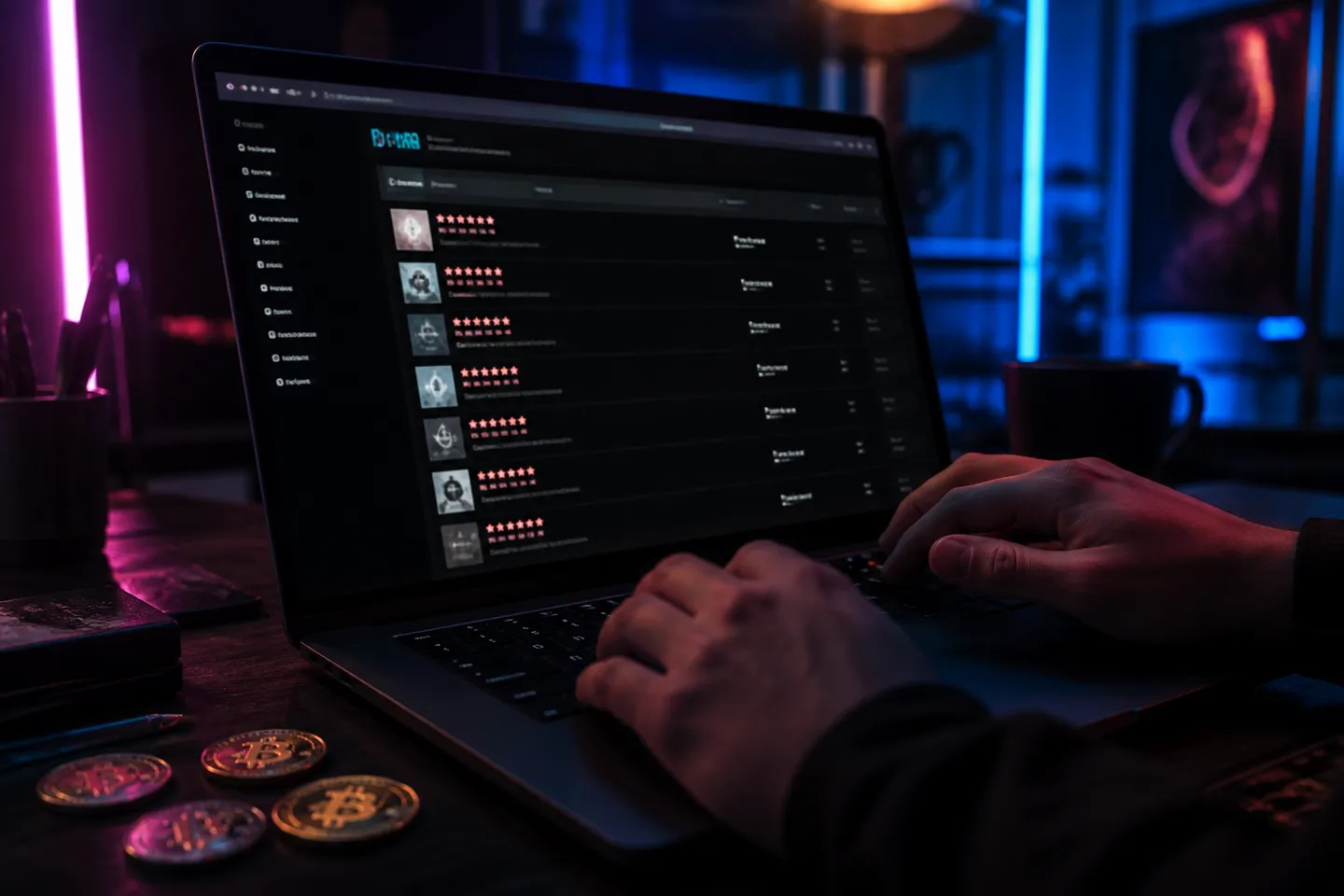
Most buyers should prioritize vendors with completion rates above 90%1, mandatory escrow protection2, and consistent ratings across multiple markets. Focus on the 12-point verification framework and escrow mechanics sections to build a systematic evaluation process. Avoid Finalize Early requests unless the vendor holds explicit FE status3, as this transfers all fraud risk to you with no dispute recourse4. Experienced users operating in niche categories may weigh specialization indicators and cross-market reputation verification more heavily when standard high-volume vendors lack specific product expertise.
What Makes a Vendor Worth Your Trust
Transaction Volume and History
Vendors with 500+ completed orders show they've survived market scrutiny and buyer feedback cycles. Check their registration date—accounts active over six months with consistent sales indicate reliability, while new profiles with inflated ratings often signal exit scam setups.
Dispute Resolution Rate
Look for vendors resolving disputes in under 15% of total orders, with most closed in the buyer's favor or through compromise. A pattern of unresolved disputes or admin interventions suggests poor communication or intentional fraud.
Shipping Success Rate
Vendors maintaining 95%+ delivery confirmation across regions demonstrate secure packaging and operational consistency. Filter reviews by your destination country—domestic success rates don't guarantee international reliability.
Response Time to Messages
Vendors answering pre-order questions within 24 hours and resolving post-purchase issues in under 48 hours show active account management. Delayed responses beyond 72 hours often precede selective scamming or account abandonment.
Escrow-Only Policy
Legitimate vendors accept marketplace escrow without pushing finalize early (FE) requests on first orders. Any pressure to release funds before delivery—even with discounts offered—indicates high exit scam risk.
Product Consistency Across Reviews
Read 20–30 recent reviews for repeated mentions of specific product traits—weight accuracy, packaging style, or effect descriptions. Vague praise like "great vendor" without detail suggests fake feedback, while consistent specifics confirm genuine transactions.
Top Rated Vendors on the Darknet
| Criteria | Vendor Rating Systems | Safety Indicators | Vendor Specializations | Reputation Verification | Escrow Practices |
|---|---|---|---|---|---|
| Rating Scale | 5-star system with feedback [5] | Completion rate above 90% [1] | Drugs, digital goods, etc. | Cross-check on multiple markets | Multisig escrow preferred [2] |
| Transaction Volume | Minimum 100 transactions recommended | High volume indicates reliability | High volume in specific niches | Check reviews across platforms | Timer-based escrow common [6] |
| Account Age | Minimum 6 months for trust | Older accounts preferred | Established vendors in niche | Verify history on multiple sites | Escrow duration varies [6] |
| Feedback Mechanism | Public ratings and comments [5] | Mandatory feedback improves trust | Specialization in high-demand items | Use of blockchain signatures [7] | Auto-finalize risks [8] |
| Red Flags | Requests for FE status [3] | Completion rate below 85% [1] | Limited product range | Inconsistent ratings across platforms | Escrow scams reported [2] |
| Dispute Resolution | Standardized processes vary | High completion rates reduce disputes | Specialized support for niche products | Monitor dispute history | Escrow protects buyers [2] |
What Makes a Vendor 'Top-Rated' on Darknet Markets
Top-rated vendors on darknet markets are identified through specific rating systems. Commonly, these systems utilize a 5-star scale, percentage-based ratings, or transaction counts to evaluate vendor reliability. Feedback mechanisms, like those from the original Silk Road, require buyers to leave ratings and comments after transactions, enhancing transparency5.
Key metrics for assessing vendors include successful transaction volume, dispute resolution rate, and account age. A high volume of successful transactions indicates a vendor's reliability, with benchmarks suggesting at least 100 completed orders for trustworthiness. Vendors with a completion rate above 90% are generally viewed favorably, while those below 85% raise concerns1. Additionally, a vendor's account age matters; profiles active for over six months typically demonstrate longevity and stability in the market.
It's crucial to distinguish between vendor ratings and product feedback. Vendor ratings reflect overall trustworthiness based on transaction performance and customer experiences. Product feedback, on the other hand, focuses on the specific items sold, such as quality and delivery. For buyers, understanding these differences can help navigate potential risks and improve purchasing decisions.
This information is particularly useful for individuals looking to minimize risks in their transactions. By focusing on vendors with strong metrics, buyers can better ensure a positive experience in the complex environment of darknet markets.
Critical Safety Indicators When Evaluating Darknet Vendors
Evaluating darknet vendors requires a focus on critical safety indicators. PGP key verification is essential. Consistent use of PGP keys signals that a vendor values secure communication. Inconsistent PGP usage can indicate potential risks or fraud.
Escrow systems play a vital role in protecting buyers. Multi-signature escrow systems require signatures from the market, buyer, and vendor to release funds, reducing the risk of scams2. In contrast, finalize early (FE) status allows buyers to release funds before confirming receipt. This option transfers all fraud risk to the buyer, with no recourse through the market's dispute system4. Avoid vendors who pressure you to FE unless they have explicit FE status, as this is a significant red flag for scams3.
Response time and communication patterns also serve as trust indicators. Vendors who respond to inquiries within 24 hours and resolve issues promptly demonstrate reliability. Long response times can suggest potential problems, such as selective scamming or account abandonment.
Red flags include pressure to finalize early, inconsistent PGP usage, and new accounts with suspiciously high ratings. A completion rate below 90% is a yellow flag, while below 85% is a red flag1. New accounts with inflated ratings often indicate potential exit scams, as they may not have established a trustworthy history.
Monitoring these indicators can help mitigate risks and enhance the safety of your transactions on darknet markets.
How Darknet Vendor Rating Systems Work
Darknet vendor rating systems are crucial for assessing reliability. Many markets employ a feedback mechanism similar to AlphaBay, where buyers leave ratings out of 5 stars and optional comments after transactions5. This system enhances transparency and allows users to gauge vendor performance effectively.
Despite their benefits, these ratings can be manipulated. Shill reviews, where vendors post fake positive feedback, can inflate ratings. Exit scams also present a risk; they occur when vendors disappear after receiving payment, often with no product delivered2. A notable pattern involves vendors with inflated ratings suddenly ceasing operations after a series of successful transactions, leading to significant losses for buyers.
Moderators play a vital role in maintaining the integrity of ratings. They oversee dispute resolution processes, ensuring that issues between buyers and vendors are addressed fairly. Effective moderation can enhance trust within the marketplace, but challenges remain. For instance, if moderators are biased or ineffective, the rating system's reliability diminishes, making it easier for scams to occur.
It's essential for buyers to recognize the limitations of these systems. While ratings provide valuable insights, they should not be the sole factor in decision-making. Investigating completion rates, transaction histories, and vendor communication patterns can further inform purchasing choices. This approach helps mitigate risks associated with darknet market transactions.
Vendor Specializations and Market Segments
Top-rated vendors on darknet markets typically specialize in specific categories. These categories include drugs, digital goods, fraud-related services, and various other services. Specialization often correlates with reliability. Vendors focusing on a narrow product range can develop expertise, ensuring consistent quality and better customer service.
For instance, bulk suppliers may cater to high-volume buyers, offering lower prices per unit. This model suits users who need larger quantities. In contrast, retail vendors often serve individual customers, providing smaller quantities at higher prices. Retail vendors may focus on niche products, allowing them to establish strong reputations within specific segments.
Geographic specialization also exists. Domestic vendors may offer faster shipping times and lower risks of customs interference. International vendors, however, might provide access to a broader range of products but come with increased shipping times and potential legal risks. Understanding these distinctions can help buyers make informed decisions based on their specific needs.
Pricing varies across these segments. Bulk suppliers may offer discounts for larger orders, while retail vendors might charge a premium for convenience. Domestic shipping often results in lower costs compared to international shipping, which may involve higher fees and longer wait times.
This information is valuable for buyers looking to minimize risks. By choosing vendors aligned with their specific needs and understanding the implications of specialization, buyers can navigate the darknet marketplace more effectively.
Verifying Vendor Reputation Across Multiple Markets
Cross-referencing vendors on multiple platforms enhances trust. This process involves checking vendor profiles across different darknet markets and forums. Platforms like Dread and various darknet forums provide independent feedback that can confirm a vendor's reputation. This is especially useful when a vendor migrates from one market to another.
Using vendor mirrors and verifying PGP signatures helps ensure identity. PGP signatures are cryptographic proofs that confirm communication authenticity. If a vendor has consistent PGP usage across platforms, it signals reliability. In contrast, inconsistent use can indicate potential risks or fraud.
Vendor history is crucial during market seizures. For instance, in March 2024, German law enforcement dismantled the Nemesis Market, impacting many vendors9. Vendors with a solid history before such events are often more trustworthy. A vendor's completion rate, which should ideally be above 90%, reflects their reliability1. A lower completion rate raises concerns about their capacity to fulfill orders.
This verification process suits buyers who prioritize security. Those with experience navigating darknet markets can use these methods to avoid scams. The effort to cross-reference and verify may take time, but it significantly reduces risks associated with purchasing from unreliable vendors.
The Role of Escrow and Dispute Resolution
Escrow systems play a crucial role in protecting buyers on darknet markets. These systems hold funds until both parties fulfill their obligations, significantly reducing the risk of scams. In multi-signature escrow systems, all three parties—the market, buyer, and vendor—must provide cryptographic signatures to release funds. This setup minimizes the chance of a vendor absconding with the money2.
Statistics indicate that higher-rated vendors tend to have better dispute resolution outcomes. For example, vendors with a completion rate above 90% generally experience fewer disputes compared to those with lower rates. A completion rate below 90% is a yellow flag, while rates below 85% are considered a red flag for potential scams1. Buyers can use these metrics to gauge vendor reliability before making a purchase.
Top vendors can earn Finalize Early (FE) privileges, allowing buyers to release funds before confirming receipt of goods. However, this option comes with risks. It transfers fraud risk entirely to the buyer, meaning no recourse through the market's dispute system is available if issues arise4. Buyers should be cautious and avoid vendors who pressure them to finalize early without having explicit FE status, as this is a major red flag3.
Multi-signature transactions offer advanced protection, requiring cooperation among all parties involved. This method is particularly beneficial in high-stakes transactions where trust levels may be uncertain. While escrow systems enhance buyer security, they are not foolproof. Understanding how these systems work helps buyers navigate potential pitfalls effectively.
Operational Security Practices of Reliable Vendors
Reliable vendors on darknet markets employ various operational security (OPSEC) practices to ensure safety and maintain their ratings. Stealth shipping techniques are crucial. Vendors often use discreet packaging to avoid detection by law enforcement. This includes using unmarked boxes and avoiding labels that indicate the contents. Such measures help minimize the risk of interception during transit.
Communication style is another OPSEC indicator. Trusted vendors typically use encrypted messaging services and adhere to consistent PGP key usage. This practice signals that they prioritize secure communication with buyers. Metadata handling is equally important; vendors should avoid leaving identifiable information in communications or files shared with buyers.
Delivery timeframes also play a role in assessing vendor reliability. Top vendors often provide accurate timelines for shipping, which helps set buyer expectations. For instance, domestic orders may have shorter delivery times compared to international shipments, typically ranging from 7 to 21 days based on product category6. Consistent adherence to these timelines reflects a vendor's commitment to reliability.
Strict OPSEC protocols are essential for maintaining high ratings on darknet markets. Vendors with completion rates above 90% are generally viewed favorably, while those below 85% raise concerns1. This commitment to security not only protects them from law enforcement but also helps build trust with buyers, enhancing their overall market reputation.
Vendor Rating Checklist: 12-Point Verification Framework
This checklist provides a structured approach to evaluate vendors on darknet markets. Each criterion helps mitigate risks and enhance safety during transactions.
Minimum Transaction Count: Aim for vendors with at least 20 completed transactions. Fewer transactions may indicate inexperience.
Rating Threshold: Look for vendors with a rating of 4.5 stars or higher. This threshold typically signifies reliability.
Account Age: Prefer vendors with accounts older than six months. New accounts may be red flags for potential scams.
PGP Verification: Ensure the vendor uses PGP for communication. Consistent PGP usage is a strong indicator of trustworthiness.
Escrow Policy: Choose vendors who utilize multi-signature escrow systems. These systems require multiple approvals to release funds, reducing the risk of fraud2.
Forum Reputation: Check vendor feedback on forums like Dread. Independent reviews can confirm vendor reliability.
Specialization Match: Select vendors who specialize in your desired product category. Specialized vendors often provide better quality and service.
Communication Test: Assess how quickly and clearly a vendor responds to inquiries. Reliable vendors typically reply within 24 hours.
Dispute History: Investigate the vendor's dispute rate. A completion rate below 90% is a yellow flag, while below 85% is a red flag1.
Shipping Region: Consider vendors' shipping regions. Domestic vendors may offer faster and safer deliveries compared to international ones.
Price Reasonableness: Evaluate whether prices align with market standards. Unusually low prices can indicate low-quality products or scams.
Red Flag Absence: Be wary of vendors who pressure for Finalize Early (FE) payments. Such requests without explicit FE status are significant red flags3.
This framework is suitable for buyers prioritizing safety and reliability. While it may require additional effort, following these guidelines can significantly reduce risks associated with darknet transactions.
Pros and Cons of Using Top-Rated Vendors
- Strengths
- Vendors with completion rates above 90% demonstrate consistent reliability and reduce the risk of failed transactions.
- Multi-signature escrow systems protect buyers by requiring all parties to approve fund release, minimizing fraud risk.
- Specialized vendors develop expertise in narrow product ranges, ensuring better quality control and customer service.
- Cross-platform verification through PGP signatures and forum feedback confirms vendor identity and reduces impersonation scams.
- Established vendors with accounts older than six months and high transaction counts show proven track records.
- Weaknesses
- Rating manipulation through fake reviews or shill accounts can artificially inflate vendor scores and mislead buyers.
- Finalize Early privileges transfer all fraud risk to buyers, eliminating recourse through dispute resolution systems.
- Vendor migration after market seizures makes verification harder, as transaction history may not transfer between platforms.
- International vendors introduce longer shipping times and increased customs interception risks compared to domestic options.
- High-rated vendors may pressure buyers to finalize early without legitimate FE status, which is a major red flag.
Which Vendor Type Fits Your Needs
You prioritize speed and minimize legal exposure
Domestic vendors suit buyers who need fast delivery and lower interception risks. These vendors typically ship within the same country, reducing customs scrutiny and transit time. Domestic orders often arrive within 7 to 14 days, compared to 14 to 21 days for international shipments6. This option works best when product availability within your region meets your requirements.
You seek specialized products with quality guarantees
Specialized vendors focus on narrow product categories, developing deeper expertise and quality control. Buyers looking for specific substances or rare items benefit from vendors who concentrate on single product lines rather than general catalogs. These vendors often maintain completion rates above 90% within their niche1. This approach sacrifices variety but delivers consistency and product knowledge.
You operate with larger budgets and need bulk quantities
Bulk suppliers offer volume discounts that reduce per-unit costs significantly. This option suits buyers planning multiple transactions or group purchases. Bulk vendors typically require minimum order quantities but provide better pricing structures than retail-focused sellers. Verify that bulk vendors maintain high completion rates, as larger orders carry proportionally higher financial risk if disputes arise.
You value security over convenience and speed
Vendors using multi-signature escrow systems provide maximum transaction protection at the cost of longer processing times. This setup requires cryptographic signatures from market, buyer, and vendor before releasing funds2. Buyers with technical knowledge who prioritize fraud prevention over quick finalization should seek vendors offering this option. The additional verification steps add 24 to 48 hours to transaction completion but eliminate most exit scam risks.
You lack experience and need straightforward transactions
Established vendors with account ages exceeding six months and transaction counts above 100 offer safer entry points for inexperienced buyers. These vendors typically maintain clear communication, predictable shipping timelines, and proven dispute resolution records. New buyers should avoid vendors pressuring for Finalize Early payments, as this eliminates platform protection mechanisms3. Start with smaller test orders to verify vendor reliability before committing to larger purchases.
Straight answers
- How do darknet vendor ratings work?
Buyers rate vendors after completing purchases, typically using a 5-star scale with optional written comments displayed publicly on item pages5. Markets calculate aggregate scores from these ratings, often combining star ratings with completion rates and dispute history. Some platforms use cryptographic signatures to prevent vendors from disowning negative reviews7.
- What is a good vendor rating on darknet markets?
A rating of 4.5 stars or higher generally indicates reliability. Completion rates above 90% signal consistent performance, while rates below 90% serve as yellow flags and below 85% as red flags1. Vendors with at least 20 completed transactions and account ages exceeding six months provide more reliable rating data than newer profiles.
- How to verify a darknet vendor is legitimate?
Check PGP key consistency across platforms and verify signatures match vendor claims7. Cross-reference feedback on independent forums like Dread to confirm identity and avoid impersonation scams. Test communication speed and clarity before placing orders, and verify the vendor uses multi-signature escrow when available2.
- What does FE status mean for darknet vendors?
Finalize Early status allows buyers to release cryptocurrency from escrow before confirming receipt, bypassing standard buyer protection4. Markets grant FE privileges to established vendors with proven track records. Vendors requesting FE without explicit status approval violate most market rules and signal potential scams3.
- Can darknet vendor reviews be faked?
Yes, vendors can manipulate ratings through shill accounts or fake purchases. Cryptographic signature systems reduce this risk by creating verifiable proof of transaction involvement7. Cross-platform verification and checking forum reputation help identify artificially inflated scores that don't match actual performance.
- How to check vendor reputation across multiple markets?
Use consistent PGP key signatures to track vendors across platforms, as these cryptographic identifiers remain constant even when usernames change7. Search vendor names and PGP fingerprints on forums like Dread for cross-market feedback. Vendor migration after market seizures complicates verification, as transaction history rarely transfers between platforms.
- What is escrow on darknet markets?
Escrow holds cryptocurrency in a temporary account until buyers confirm receipt of goods, protecting against vendor fraud. Timer-based systems automatically release funds after 14 to 21 days if buyers don't dispute8. Multi-signature escrow requires cryptographic approval from market, buyer, and vendor before releasing payment2.
Final Verdict: Choosing the Right Vendor
Start with domestic vendors who maintain completion rates above 90% and account ages exceeding six months. This combination minimizes interception risks and provides proven reliability for typical purchases. Verify PGP signatures match across platforms and test communication speed before committing funds.
Choose specialized vendors when product quality outweighs variety. These sellers develop deeper expertise in narrow categories and maintain consistent standards. Avoid vendors pressuring for Finalize Early payments without explicit FE status, as this eliminates platform protection mechanisms.
Select multi-signature escrow vendors when security matters more than speed. This setup adds 24 to 48 hours to transactions but protects against exit scams through cryptographic verification. New buyers should place small test orders first to confirm vendor behavior matches ratings.
Cross-reference feedback on independent forums to catch rating manipulation. Vendors with fewer than 20 transactions or accounts younger than three months carry higher risk regardless of displayed scores. For deeper verification methods, review Identifying Trusted Vendors on the Darknet to strengthen your evaluation process.
References
- 1. How Vendor Trust Scores Work on Darknet Markets — February 2026
- 2. What Is a Darknet Market? Definition & Enforcement Guide
- 3. Direct Deal(DD) | DNM Bible
- 4. Finalize Early (FE) — Web3 Glossary Definition | Cointegrity
- 5. Do User Ratings Help Mitigate Risk?
- 6. How Darknet Market Escrow Systems Actually Function (Technical Breakdown)
- 7. Decentralized Reputation in OpenBazaar — Part 1 | by OpenBazaar | Medium
- 8. How Darknet Escrow Works — and When It Fails | Dark Web Insight
- 9. Category deep-dive: Illicit drug sales grew and expanded outside of darknet marketplaces in 2024 | TRM Blog
 Vendor Feedback on the DarknetDiscover how vendor feedback on the darknet helps you evaluate seller reliability before making purchases.
 Exploring the Alphabay MarketDiscover the Alphabay Market, its features, and how it compares to other darknet markets for informed decisions.
 Navigating the Darknet Market Vendor LandscapeExplore the darknet market vendor landscape to find trustworthy sellers and minimize risks while purchasing goods and services.