
How to Access Darknet Markets
This guide is for beginners seeking safe access to darknet markets and prioritizing anonymity.
- Date

You need Tor Browser to access darknet markets—download it from the official Tor Project site, install, and connect. Setup takes 5–10 minutes. Browse .onion addresses only through Tor, never through regular browsers. Success depends on never revealing your real identity: use a VPN before Tor, create anonymous accounts, and avoid reusing usernames or payment details. Law enforcement has arrested 288 vendors in a single operation1 and can exploit browser vulnerabilities to unmask users2.
What You'll Need
Tor Browser
This free software routes your connection through multiple servers to hide your IP address and location.
VPN subscription
A virtual private network adds an extra layer of encryption before your traffic enters the Tor network.
Cryptocurrency wallet
Darknet markets only accept Bitcoin or Monero, so you need a wallet to store and send digital currency.
Secure email address
You'll use this to register on markets and receive notifications without linking to your real identity.
30–45 minutes
Setting up Tor, configuring your VPN, and creating accounts takes about half an hour for first-time users.
How to Access Darknet Markets
- Step 1: Install the Tor Browser
Download the Tor Browser from the official website. This browser allows anonymous browsing by routing your connection through the Tor network. Ensure you verify the download's integrity using the provided checksums.
- Step 2: Set Up a VPN
Use a reliable VPN service before launching the Tor Browser. A VPN adds an extra layer of security by masking your IP address. Check the VPN's privacy policy to confirm it doesn't log your activity.
- Step 3: Open the Tor Browser
Launch the Tor Browser and connect to the Tor network. You should see a confirmation message once connected. If you encounter issues, check your internet connection and firewall settings.
- Step 4: Access Darknet Market Links
Use trusted sources to find darknet market links, often ending in .onion. Be cautious with links shared in forums or chat rooms, as they may lead to scams. Verify the link before accessing it.
- Step 5: Create a Secure Email Account
Create an anonymous email account using services like ProtonMail. Avoid using your personal information. This account can be used for registration on darknet markets.
- Step 6: Register on a Darknet Market
Follow the registration process on your chosen market. Use your anonymous email and create a strong password. Be aware of the market's rules and guidelines to avoid account issues.
- Step 7: Make Transactions Safely
Use cryptocurrencies like Bitcoin for transactions, ensuring you understand how to use a wallet. Always double-check wallet addresses before sending funds. This helps prevent loss of money.
- Step 8: Maintain Anonymity
Avoid sharing personal information or engaging in discussions that could reveal your identity. Be cautious of what you post or communicate on the market.
- Step 9: Exit Safely
When finished, close the Tor Browser and clear your browsing history. Disconnect your VPN to ensure no traces remain. This step is crucial for maintaining your anonymity.
What Are Darknet Markets and How They Work
Darknet markets are hidden e-commerce platforms that operate on the Tor network. These markets allow users to buy and sell various goods and services anonymously. Unlike regular websites, darknet markets use .onion addresses, which can only be accessed through the Tor Browser. This adds a layer of privacy, as the Tor network routes connections through multiple servers, obscuring users' IP addresses and locations3.
The typical structure of darknet markets includes features like vendor ratings, escrow systems, and cryptocurrency payments. Vendor ratings help buyers assess the reliability of sellers. Escrow systems protect transactions by holding funds until both parties fulfill their obligations. Payments are usually made in cryptocurrencies like Bitcoin or Monero, which enhance anonymity.
This environment is not without risks. Law enforcement agencies have conducted operations, such as Operation SpecTor, which resulted in 288 arrests and significant seizures1. Users should be aware that their activities may attract attention. For instance, vulnerabilities in browsers can be exploited to reveal identities2.
When accessing darknet markets, it’s essential to prioritize security and anonymity. This is especially true if you encounter problems, such as suspicious links or vendors. Always verify market links from trusted sources and exercise caution when sharing information. This approach helps mitigate risks associated with navigating these hidden platforms.
Essential Tools You Need Before Accessing Darknet Markets
To access darknet markets, you need specific tools to ensure your safety and anonymity. The Tor Browser is the primary tool. Download it from the official Tor Project website. Installing it takes about 5–10 minutes. This browser routes your connection through multiple servers, hiding your IP address and location. Remember, never access .onion addresses through standard browsers.
Using a VPN is critical. A VPN adds an extra layer of security before your traffic enters the Tor network. It masks your IP address and encrypts your internet connection. Choose a reliable VPN provider that has a no-logs policy to ensure your activities remain private. Popular options include NordVPN and ExpressVPN, but verify their logging policies independently.
Tails OS is an optional but highly secure alternative. It runs from a USB drive and leaves no trace on the host computer. This can be useful if you want an extra layer of anonymity. However, it requires a bit more technical knowledge to set up.
Setting up a cryptocurrency wallet is necessary for transactions. Darknet markets primarily accept Bitcoin or Monero, with Monero being preferred for its privacy features. Create a wallet that supports these currencies and ensure you understand how to send and receive funds securely.
If you encounter issues, check your internet connection and make sure your VPN is active before launching Tor. Always verify market links from trusted sources to avoid scams. Being cautious can help you navigate darknet markets more safely.
Step-by-Step Guide to Accessing Darknet Markets
Accessing darknet markets requires careful attention to security and anonymity. Each step is crucial for ensuring a safe experience.
Connecting to a VPN is the first step. A VPN adds a layer of security by masking your IP address before you access the Tor network. Choose a VPN with a strong privacy policy that does not log user activity. This is especially important because law enforcement has successfully used various techniques to identify Tor users in the past2.
Next, launch the Tor Browser. Set its security settings to 'Safest' to maximize your protection. This setting disables features that could potentially compromise your anonymity, such as JavaScript. Avoid maximizing the browser window to prevent accidental exposure of your screen information. Keeping it at a smaller size reduces the risk of revealing your identity through screen captures or other unintended actions.
Obtaining verified .onion links from trusted directories is essential. Avoid using regular search engines, as they can expose your browsing activity and lead to malicious sites. Instead, rely on reputable sources that provide up-to-date links to darknet markets. This helps you avoid scams and ensures you access legitimate platforms.
When navigating to a market, follow the registration process carefully. Create an account using your anonymous email, ensuring you do not share personal information. Familiarize yourself with the market's rules to avoid potential issues. If you encounter problems, such as website downtime or suspicious activity, consider reaching out to community forums for guidance.
By taking these precautions, you can significantly enhance your security while accessing darknet markets.
Critical Security Practices While Using Darknet Markets
Maintaining security is crucial when using darknet markets. Disabling JavaScript in your Tor Browser is a key step. JavaScript can be exploited to reveal your identity or install malware. Avoid downloading files from these markets, as they may contain harmful software or track your activity.
Do not use real personal information or reuse passwords across different sites. Create unique passwords for your darknet accounts. This reduces the risk of being linked back to your real identity if one account is compromised. Use strong password managers to help manage these credentials securely.
PGP encryption is essential for secure communication with vendors. It protects your messages from being intercepted. Learn how to generate PGP keys and encrypt your messages. This is beneficial for ensuring that your discussions remain private.
Be cautious of phishing links. These links can lead to fake markets designed to steal your information. Always verify the authenticity of market URLs. Use trusted sources to find .onion links and double-check them before accessing. This is especially important, as law enforcement has previously seized markets, leading to user exposure4.
Operational security basics are important. Avoid accessing darknet markets from your home network, as this can expose your real IP address. If you must use public WiFi, consider additional security measures. Use a VPN to encrypt your connection and mask your IP address.
These practices are vital for navigating darknet markets safely. Ignoring them can lead to serious consequences, including legal trouble or identity theft. Always stay informed about potential risks and remain vigilant while browsing.
How to Verify Legitimate Market Links and Avoid Scams
Verifying legitimate market links is crucial for safe darknet access. Darknet markets often use multiple addresses, known as mirror links. These mirrors help maintain accessibility if the primary site experiences downtime or is seized. Always check multiple sources for the same market link to ensure you’re accessing a genuine site.
Trusted directories and forums can assist in finding reliable links. Dread and Dark.fail are popular resources that provide updated links and user discussions. These platforms can help you identify current market addresses and avoid scams.
PGP signatures are another layer of verification for market links. When a market publishes its address, it often includes a PGP signature. Verify this signature using a PGP tool to ensure the link is authentic. This step is essential, especially in an environment where scams are common.
Exit scams are a significant risk in the darknet. These occur when a market suddenly disappears after users deposit funds. Warning signs include sudden withdrawal issues and prolonged silence from admins. If you notice a market's lack of updates, or if users report issues, consider this a red flag.
In case of problems, consult community forums for insights. Engaging with other users can provide real-time updates about market reliability. Always prioritize caution when navigating these platforms to minimize risks.
Common Mistakes That Compromise Your Anonymity
Beginners often make mistakes that jeopardize their anonymity on darknet markets. Recognizing these errors is essential for a safer experience.
Logging into personal accounts while on Tor is a significant risk. This action can link your darknet activities to your real identity. Always create separate accounts using anonymous email addresses. Avoid any personal identifiers.
Using the same username across multiple platforms can also be dangerous. If one site is compromised, your identity on other platforms may be exposed. Choose unique usernames for your darknet accounts. This helps isolate your activities and protect your identity.
Neglecting to update the Tor Browser can leave you vulnerable. Each update may include crucial security patches. Set reminders to update regularly or enable automatic updates. This ensures you benefit from the latest security enhancements.
Trusting VPN providers that log data can compromise your anonymity. Select a VPN with a strong no-logs policy. Research independent reviews to verify their claims. This step is vital, as law enforcement has successfully identified users through VPN logs in the past.
Mixing regular browsing with darknet access increases risks. Your regular internet activity can reveal information that compromises your anonymity. Always use separate devices or virtual machines for accessing darknet markets. This practice helps prevent accidental exposure of your real identity.
By avoiding these common mistakes, you can significantly enhance your anonymity while navigating darknet markets. Prioritize security and remain vigilant to protect your identity in this hidden environment.
Legal Risks and Jurisdictional Considerations
Accessing the Tor network is legal in most countries. However, engaging in activities on darknet markets can lead to legal issues. Users should understand that while browsing anonymously is permitted, purchasing illegal goods or services is not.
Law enforcement agencies possess advanced capabilities to track darknet users. Techniques like traffic correlation attacks can identify users by analyzing patterns in data traffic. Operations such as Operation SpecTor have resulted in significant arrests and seizures, highlighting the risks involved1. In this operation, authorities seized over $50 million in cash and drugs, demonstrating the scale of law enforcement efforts5.
Some countries impose restrictions on the use of Tor. For instance, nations with strict internet regulations may block access to the Tor network entirely. Users in these jurisdictions must stay informed about local laws to avoid potential issues.
Personal responsibility is crucial. While guidance exists, it is essential to recognize that this information does not constitute legal advice. If you face legal challenges or uncertainties, consulting a legal professional may be necessary. Always prioritize your safety and anonymity while navigating darknet markets.
Can FBI Track Tor Browser?
The FBI has various methods to track users of the Tor Browser, but this involves specific situations. Tor offers privacy through encrypted connections, making it difficult to trace user activity. However, there are limitations. For instance, exit nodes can be monitored, and timing attacks can identify users based on their browsing patterns.
Theoretically, law enforcement can track Tor users. They have successfully used Network Investigative Techniques (NITs) that exploit browser vulnerabilities. These techniques can reveal a user's IP address and other identifying information2. A notable case involved the FBI using a vulnerability in Adobe Flash to target Tor users, leading to the identification of 25 individuals in the U.S.67.
While these techniques exist, the practical risk for the average user is lower. Many who were caught did so due to operational security failures rather than flaws in Tor itself. For example, during Operation SpecTor, numerous arrests were made based on information obtained from seized marketplaces rather than direct tracking of Tor users14.
It is essential to prioritize good operational security. Avoid using personal information, and do not access darknet markets from home networks. Instead, consider using public Wi-Fi with strong privacy measures, such as a reliable VPN. This approach minimizes the risks associated with potential tracking.
In summary, while the FBI can track Tor users under certain conditions, average users can significantly reduce their risk by maintaining strong operational security practices.
What to Do When Things Go Wrong
Tor Browser Won't Connect or Loads Extremely Slowly
Your ISP may block Tor, or your network configuration may interfere with connections. Open Tor Browser settings and enable "bridges" under the Connection tab. Bridges are unlisted relays that help bypass censorship and network restrictions. If the problem persists, try a different bridge type, such as obfs4, which disguises Tor traffic as regular web browsing.
Market Link Returns "Unable to Connect" or 404 Error
The market may be temporarily offline, seized by law enforcement, or the link may be outdated. Check trusted directories like Dread or Dark.fail for current mirror links. Verify the market's PGP signature if available to confirm the link is authentic. Never attempt to access a market through a regular search engine, as this exposes your activity and increases the risk of landing on a phishing site.
PGP Encryption Fails or Vendor Cannot Read Your Message
You may have used an incorrect public key or formatted the message improperly. Download the vendor's PGP key directly from their market profile, not from external sources. Use a reliable PGP tool like Kleopatra or GPG4Win to encrypt your message, and always test encryption with your own key first. If the vendor still cannot decrypt your message, double-check that you selected their key, not yours, for encryption.
Cryptocurrency Transaction Shows as Pending for Hours
Bitcoin transactions can delay during network congestion, especially if you set a low transaction fee. Check a blockchain explorer using the transaction ID to see its status. For Bitcoin, consider using a fee estimator before sending to avoid delays. Monero transactions typically confirm faster and offer better privacy, making them preferable for darknet market use. If the transaction remains stuck, contact the market's support or check community forums for guidance.
VPN Disconnects While Using Tor Browser
A VPN disconnection can expose your real IP address to your ISP, revealing that you are using Tor. Enable a "kill switch" feature in your VPN settings to automatically block internet traffic if the VPN drops. Choose a VPN provider with a verified no-logs policy and strong encryption standards. If disconnections happen frequently, switch to a different VPN server or provider to ensure consistent protection.
Account Locked or Funds Missing After Login
You may have accessed a phishing site that mimics the real market. Always verify the .onion URL against multiple trusted sources before entering credentials. If you suspect a phishing attack, do not attempt to log in again. Create a new account with a different username and password, and never reuse credentials across markets. For missing funds, check the market's official forum or subreddit for reports of exit scams or technical issues before taking further action.
Straight answers
- How to locate the dark web?
The dark web is accessed through the Tor Browser, which connects you to .onion sites not indexed by regular search engines. After installing Tor Browser, use trusted directories like Dark.fail or Dread to find current market links. Never search for darknet markets on Google or regular browsers, as this exposes your activity and leads to phishing sites.
- Can FBI track Tor Browser?
The FBI can track Tor users under specific conditions by exploiting browser vulnerabilities or using Network Investigative Techniques that reveal IP addresses2. In Operation Torpedo, the FBI identified 25 Tor users in the U.S. by using a Firefox vulnerability to capture real IP addresses67. However, most arrests result from operational security failures, such as reusing personal information or accessing markets from home networks, rather than direct tracking of Tor itself.
- Which browser has the dark web?
The Tor Browser is the primary tool for accessing the dark web and .onion sites. It routes your connection through encrypted relays, hiding your IP address and location38. Regular browsers like Chrome or Firefox cannot access .onion addresses without additional configuration, and using them for darknet access compromises your anonymity.
- Can I go into the dark web?
Yes, accessing the Tor network and browsing the dark web is legal in most countries. However, purchasing illegal goods or services on darknet markets is not legal and carries significant risks. Law enforcement operations like Operation SpecTor resulted in 288 arrests across multiple countries, demonstrating the consequences of illegal activity14.
- How do I access the dark web after installing Tor?
Open Tor Browser and wait for it to connect to the Tor network, which typically takes 10–30 seconds. Once connected, use trusted directories like Dark.fail to find verified .onion links for darknet markets. Always verify links through multiple sources and check PGP signatures before entering any credentials to avoid phishing sites.
Key Takeaways
- Download Tor Browser only from the official torproject.org site to avoid malware that compromises your anonymity.
- Enable bridges in Tor settings if your ISP blocks access, and always verify .onion links through multiple trusted directories before logging in.
- Use Monero instead of Bitcoin for transactions, as it hides sender and receiver addresses by default.
- Never reuse usernames, passwords, or personal information across markets or from your regular online life.
- Enable your VPN's kill switch feature to prevent IP leaks if the connection drops unexpectedly.
Once you understand these basics, learn how to verify vendor reputation and spot red flags. Check our guide on identifying trusted vendors on the darknet to avoid scams and protect your funds.
References
- 1. Largest International Operation Against Darknet Trafficking of Fentanyl and Opioids Results in Record Arrests and Seizures
- 2. UNITED STATES COURT OF APPEALS FOR THE SECOND CIRCUIT
- 3. Overview - How Tor works - About Tor — Tor
- 4. 288 dark web vendors arrested in major marketplace seizure | Europol
- 5. Operation SpecTor Targets Darknet Markets — FBI
- 6. Visit the Wrong Website, and the FBI Could End Up in Your Computer | WIRED
- 7. The FBI Used the Web's Favorite Hacking Tool to Unmask Tor Users | WIRED
- 8. A short introduction to Tor - Tor Specifications
 Accessing the Tor Market: A GuideDiscover how to safely access the Tor market with step-by-step guidance and essential tips for secure browsing.
 Darknet market accessLearn how to safely access darknet markets with practical steps and tips for secure browsing and purchasing.
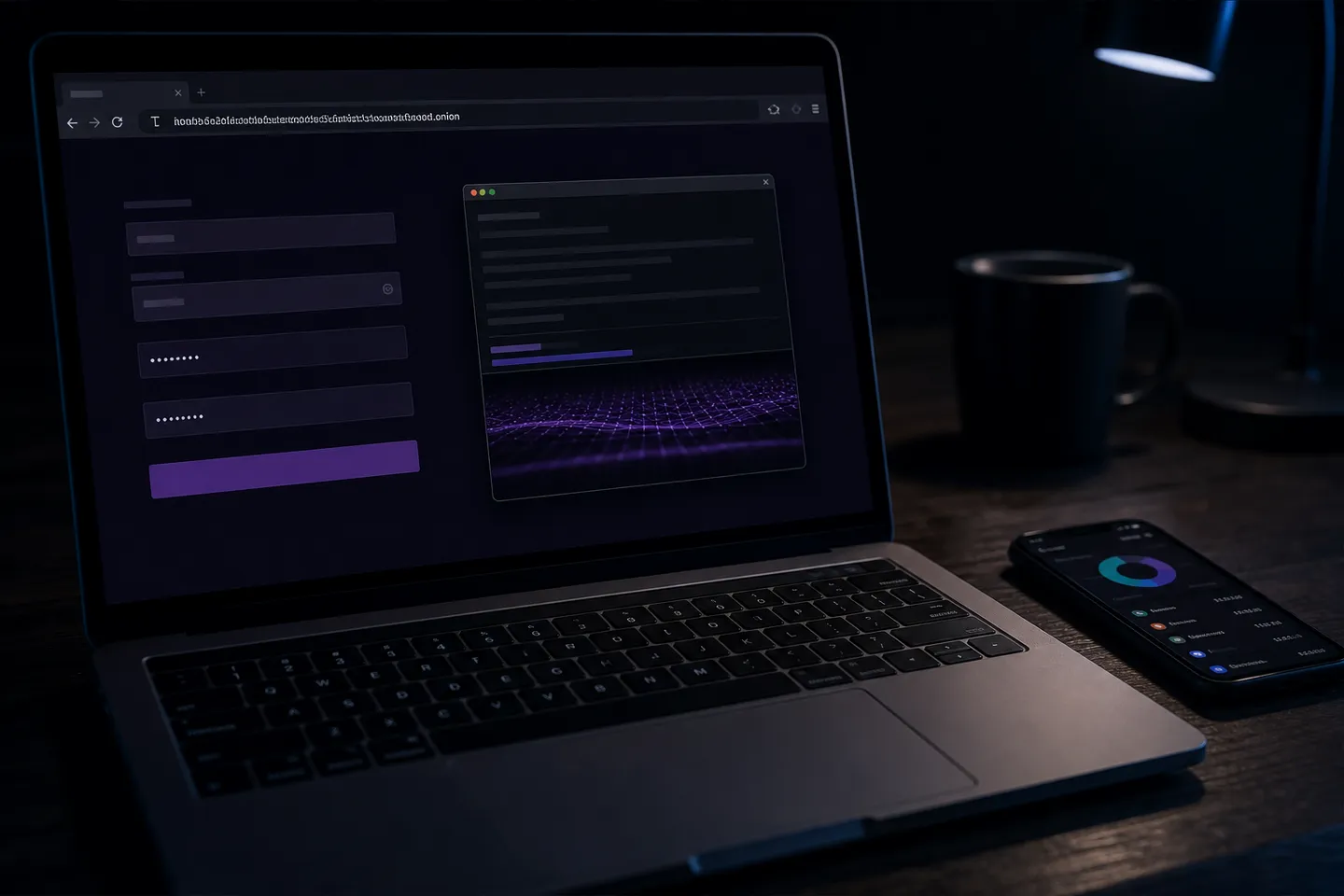 Registering on Darknet MarketsLearn how to register on darknet markets safely and securely with step-by-step instructions for first-time users.